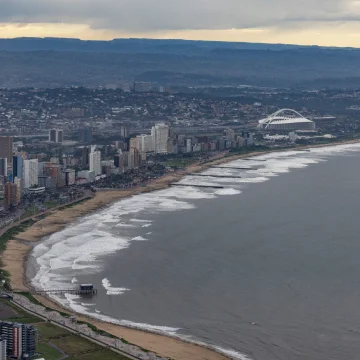
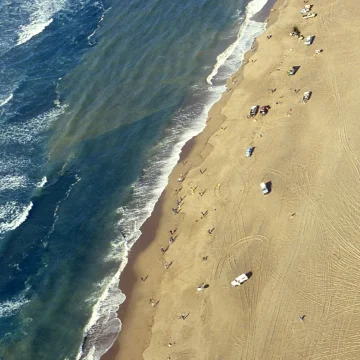
The coast is a cherished environment for human settlement, but it is also an environment in which ecological diversity, human activity and socio-economic influences are interdependent and interact.
The average population density of coastal areas is about 80 persons per square kilometer (Section 6.1 of the Ugu Lwethu), which is twice the world’s average population density. It is predicted that the numbers will continue to grow substantially, being driven by natural population growth coupled with migration to the coast, tourism, recreation, residential and industrial development. A growing population puts the coastal environment under pressure from urban encroachment, pollution, water extraction and over-exploitation of resources. This raises concerns about sustainability, exacerbated by the potential effects of climate change, with coastal environments highlighted as an “area of particular concern” by the Intergovernmental Panel on Climate Change (IPCC). It is anticipated that coastal environments will be exposed to increased erosion, sea-level rise (Section 9.5), intensification of tropical and extra-tropical cyclones, and increased flooding and wash-over events. The KZN coast is no exception to these trends.
It is a special and appealing place to live, and to visit as a tourist, offering attractive beaches and a variety of recreational activities, fishing, diving, a year-round warm climate with comfortable seawater temperatures, and accessibility from other parts of South Africa. However, the pressures on, and threats to, the ecological functioning and resources of the KZN coast resulting from coastal development, requires careful management. The need for wise planning and the effective management of the coast has long been recognized, with policy makers worldwide defining policies and legislation to address the problems in the coastal zone.
Integrated Coastal Management (ICM) is now a globally recognized and widely used approach to the management of the coast and its resources. South Africa, having followed global trends for coastal management, has recognised the need for dedicated legislation in order to protect this environmental, social and economic asset. The Integrated Coastal Management Act (Act No. 24 of 2008) (ICM Act) was promulgated at the end of 2009, but coastal authorities are now faced with the implementation of this legislation (Section 10.2), and the management of a highly complex environment that is subject to natural and anthropogenic pressures. However, in order for ICM initiatives to be effective, both the people who manage the coast and those who use it, need a better understanding of the value and management intricacies of coastal resources.