


The unique nature of the coastal and marine environment and the associated ecosystems (Chapter 3) supports a wide range of species from the smallest invertebratesto the largest of all mammals. Some are economically or socially important, while others are endemic and ecologically important to KZN.

Coastal and Marine Species
The following are sections from Chapter 4 of Ugu Lwethu – Our Coast (Goble et al., 2014). Contributions are from a range of authors all of whom are credited per section.
Aquatic Plants
Aquatic plants living within the coastal environment range from species that occupy the water column, such as microalgae (e.g., phytoplankton) and floating or submerged plants (e.g., seagrasses), to those that inhabit the intertidal and supratidal regions, such as emergent marcrophytes (e.g, salt marsh, reeds, sedges and mangroves). The area extending from the intertidal reaches of the seashore to the subtidal reefs is home to the fourth group of coastal marine vegetation, seaweeds.
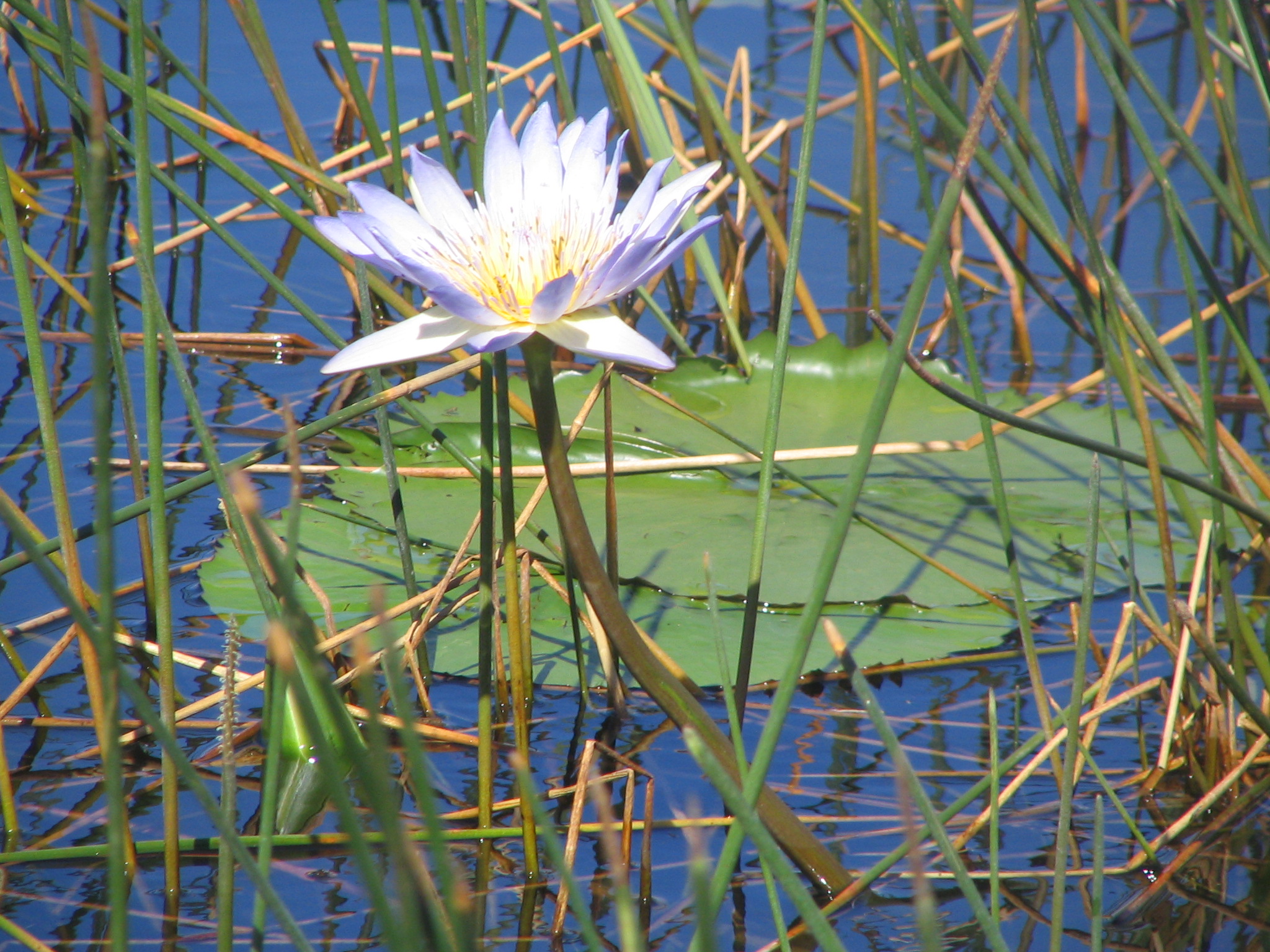
Photo by Fiona MacKay
More Information
Invertebrates
Around 90% of all animal species described are classified as invertbrates. Simply, invertbrates are animals that lack a backbone, but are multicellular. With no backbone, these animals rely on other strategiesfor physical support, such as hydrostatic pressure (e.g., sea anemones with a fluid-filled internal cavity), exoskeletons (e.g., crabs with a hard carapace) and shells (e.g., clams and mussels).
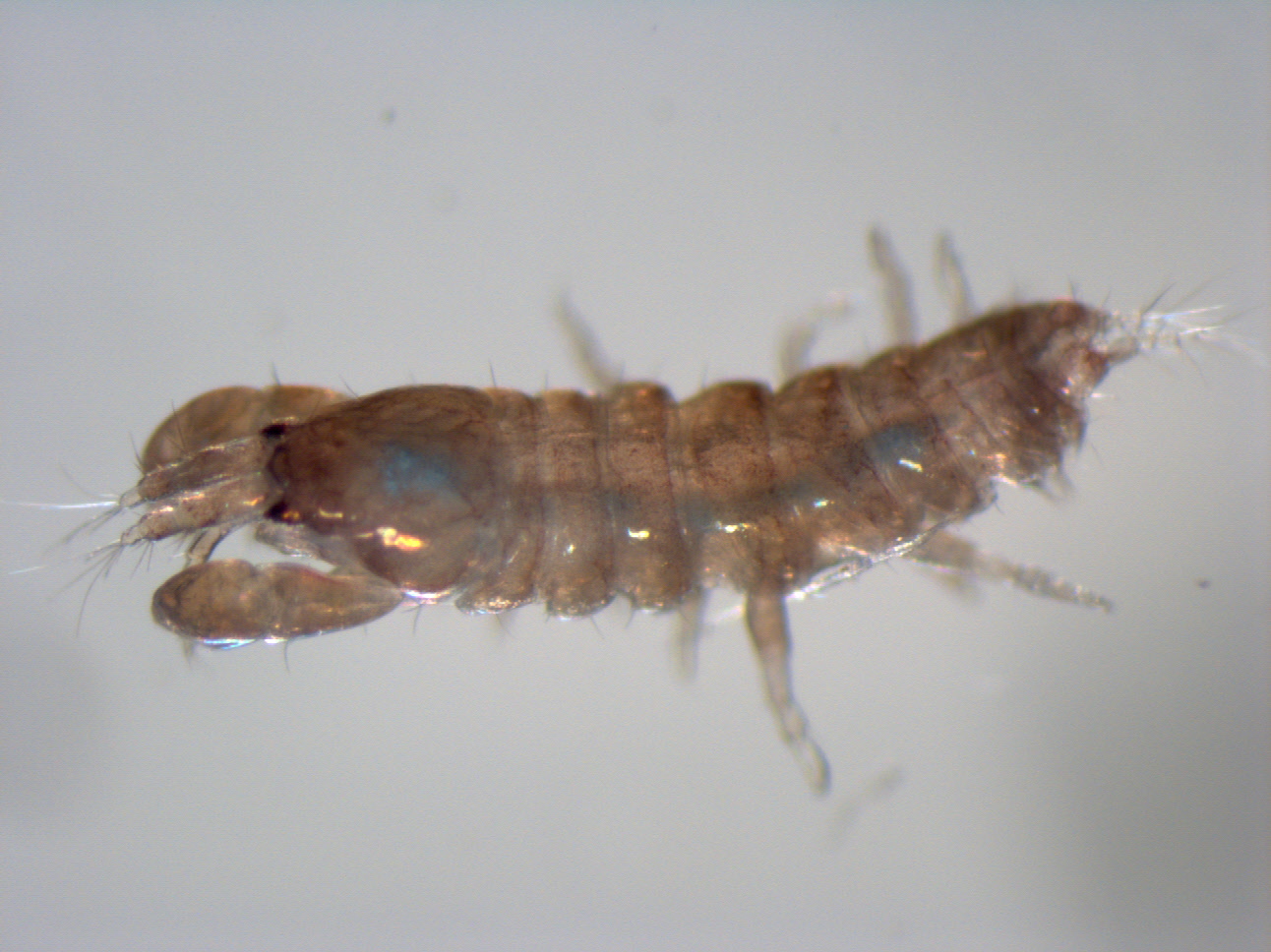
Photo by Fiona MacKay
More Information
Sea Turtles
Sea turtles are iconic marine reptiles, genetically traced back some three million years to a common ancestor. They are well adapted for life at sea, with legs modified into flippers and bodies encased in a hard carapace. While these reptiles range widely in all oceans, they have remarkably localised nesting grounds.
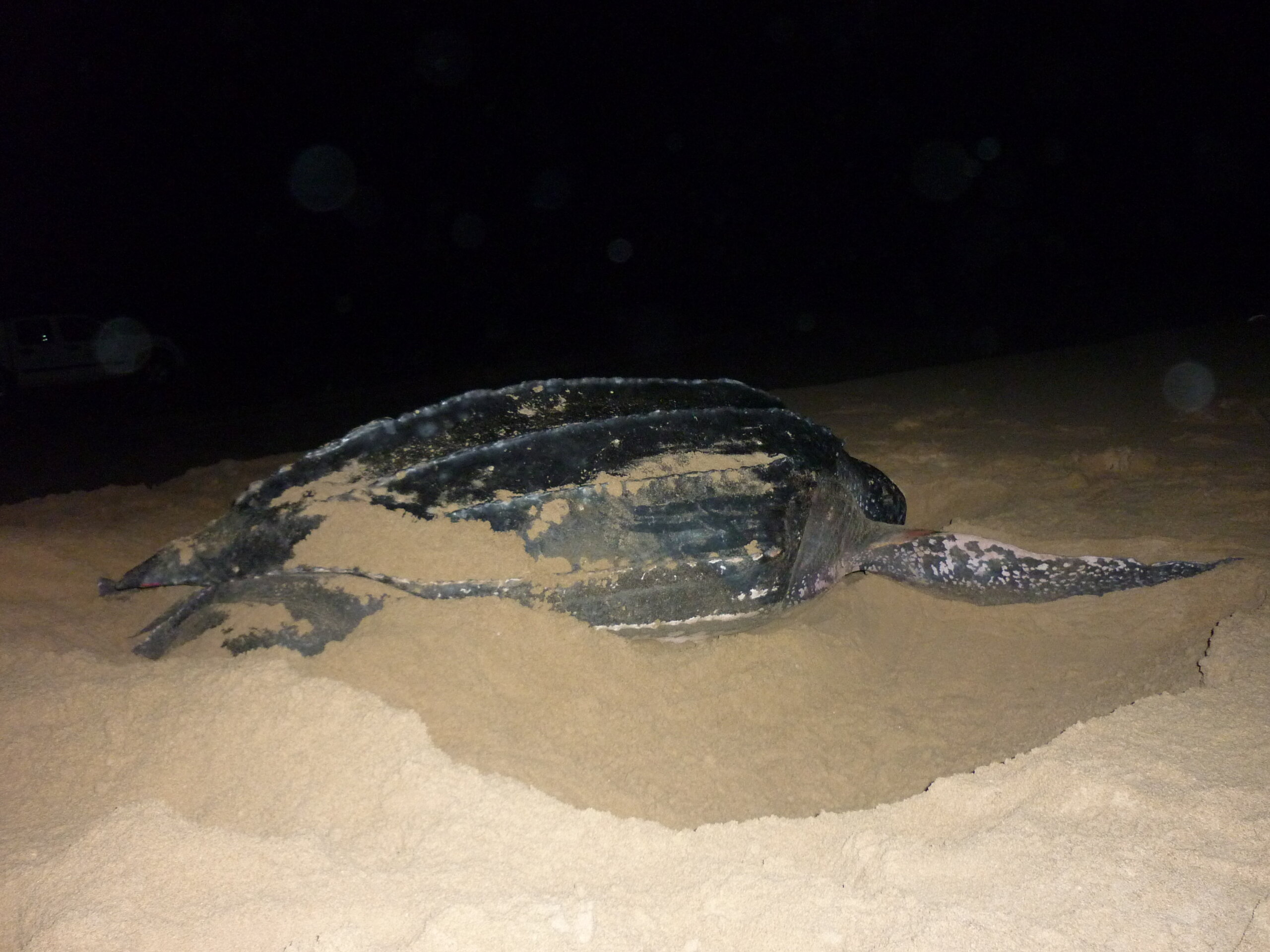
Photo by J. Maggs (ORI)
More Information
Fishes
The KZN coast is blessed with a rich diversity of marine fish species. Estimates show that the southern African fish fauna comprise at least 2200 species, and a large percentage of these are found off the KZN coast. The richness of this fauna is a result of both the oceanography of the region (Section 2.3) and the large diversity of marine habitats (Chapter 3).
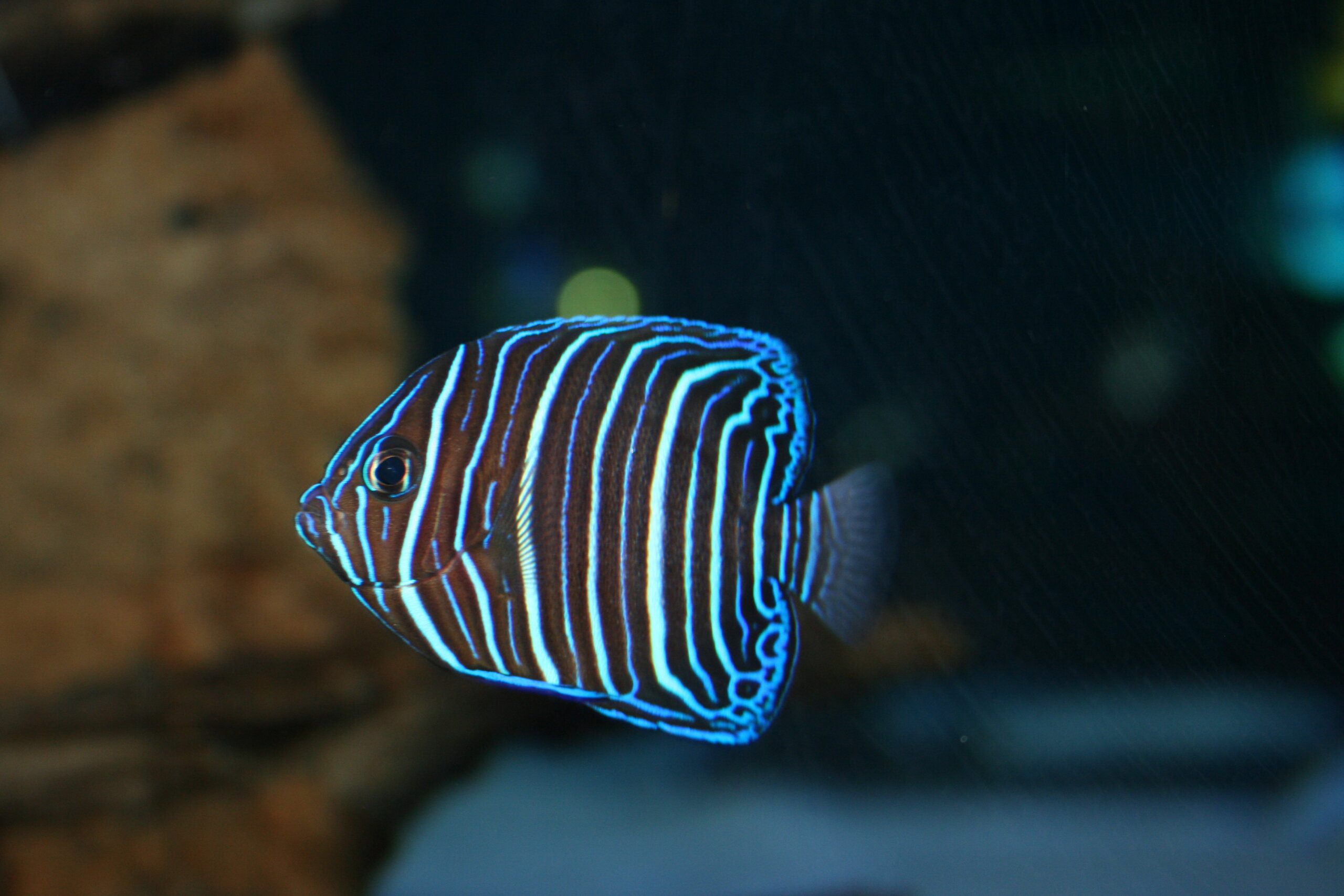
Photo by ORI (J. Maggs)
More Information
The Prehistoric Coelacanth
The coelacanth is a so-called “Lazarus” species; an organism known from the fossil record long before a living species was discovered.
The first fossilized coelacanth was described by Louis Agassiz more than 170 years ago. Since then, more than 120 fossil species have been recorded, from at least 47 genera. Coelacanths then seem to disappear from the fossil record until the discovery of a coelacanth in South African waters.
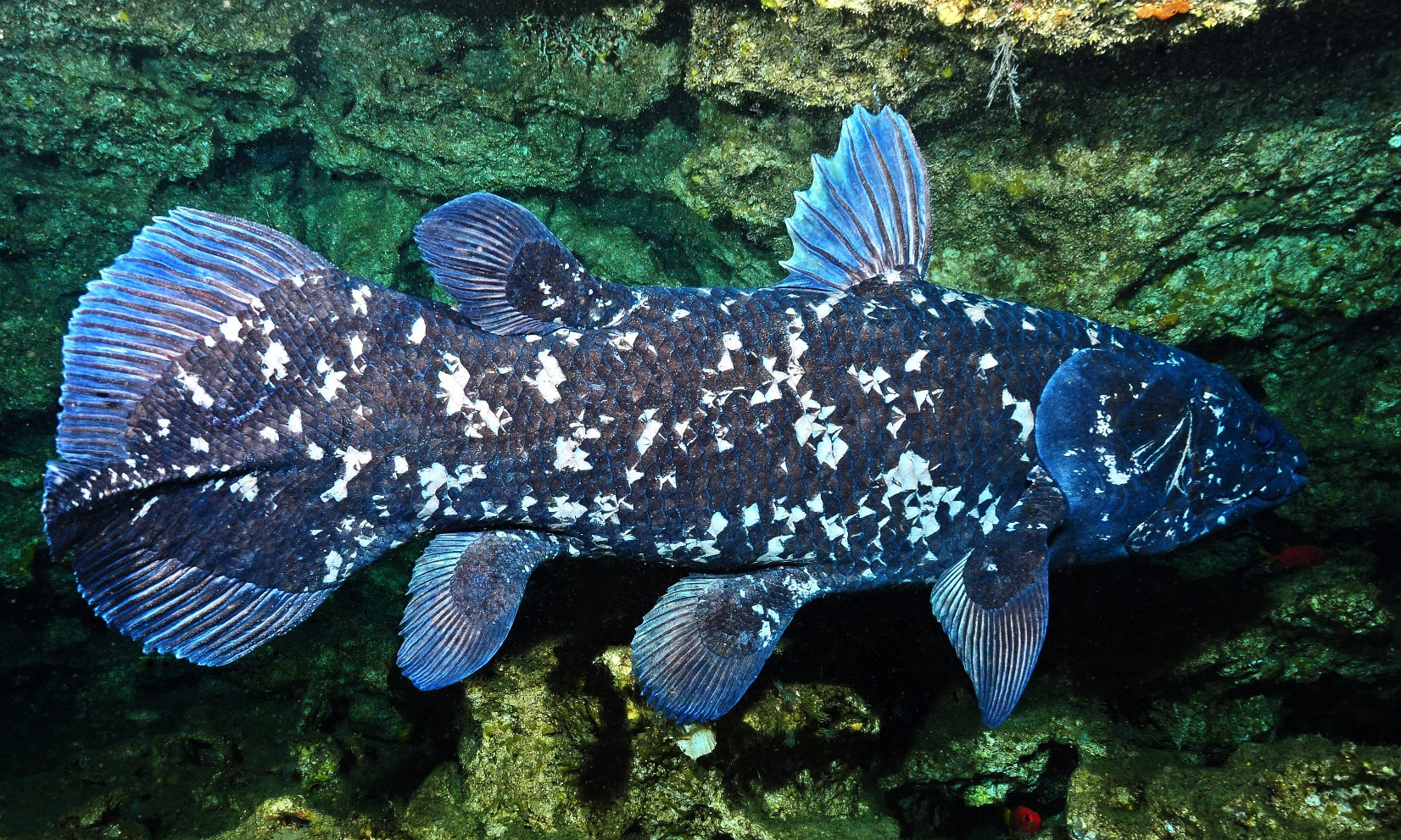
Photo Peter Timm
More Information
Sharks, Rays and Chimaeras
KZN is blessed with a wide diversity of sharks, rays and chimaeras; a group of fishes that have in common a skeleton made of cartilage. In general, these fishes are vulnerable to over-exploitation because of their life history characteristics; hence , careful attention needs to be paid to their consevation and management.
Of the approximately 185 species of cartilaginous fish that have been recorded in South African waters, approximately 137 include the waters of KZN in thier range. These are broadly divided into sharks (85 species), rays (49 species) and chimaeras (3 species).
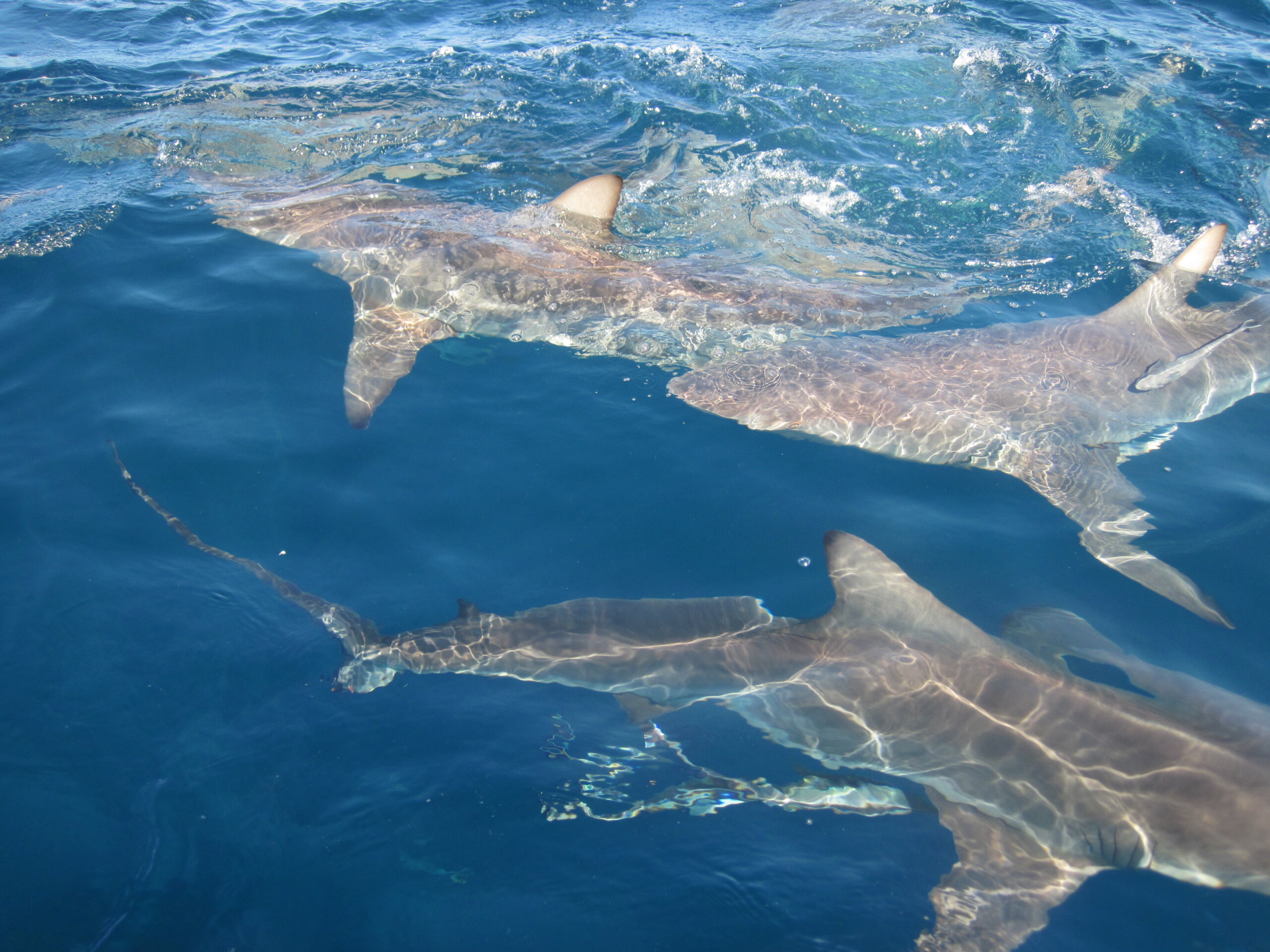
Photo by Bruce Mann
More Information
Whales and Dolphins
While occasional vagrant species of seals may be found off the KZN coast, and dugongs have historically been recorded as far south as uMhlali, it is the 36 species of cetaceans (whales and dolphins) that comprise the true marine mammal afuna of the region.
These cetaceans are best categorised into two groups: the baleen whales (of which 9 species are found in KZN waters) and the toothed whales and dolphins (27 species found in KZN waters).

Photo by Sean Fennessy
More Information
Coastal Birds
Seabirds are broadly defined as birds that forage primarily on marine prey and spend most of their time (except when breeding) at sea. This excludes shorebirds, which are common in freshwater and estuarine systems but rely to a lesser extent on marine resources.
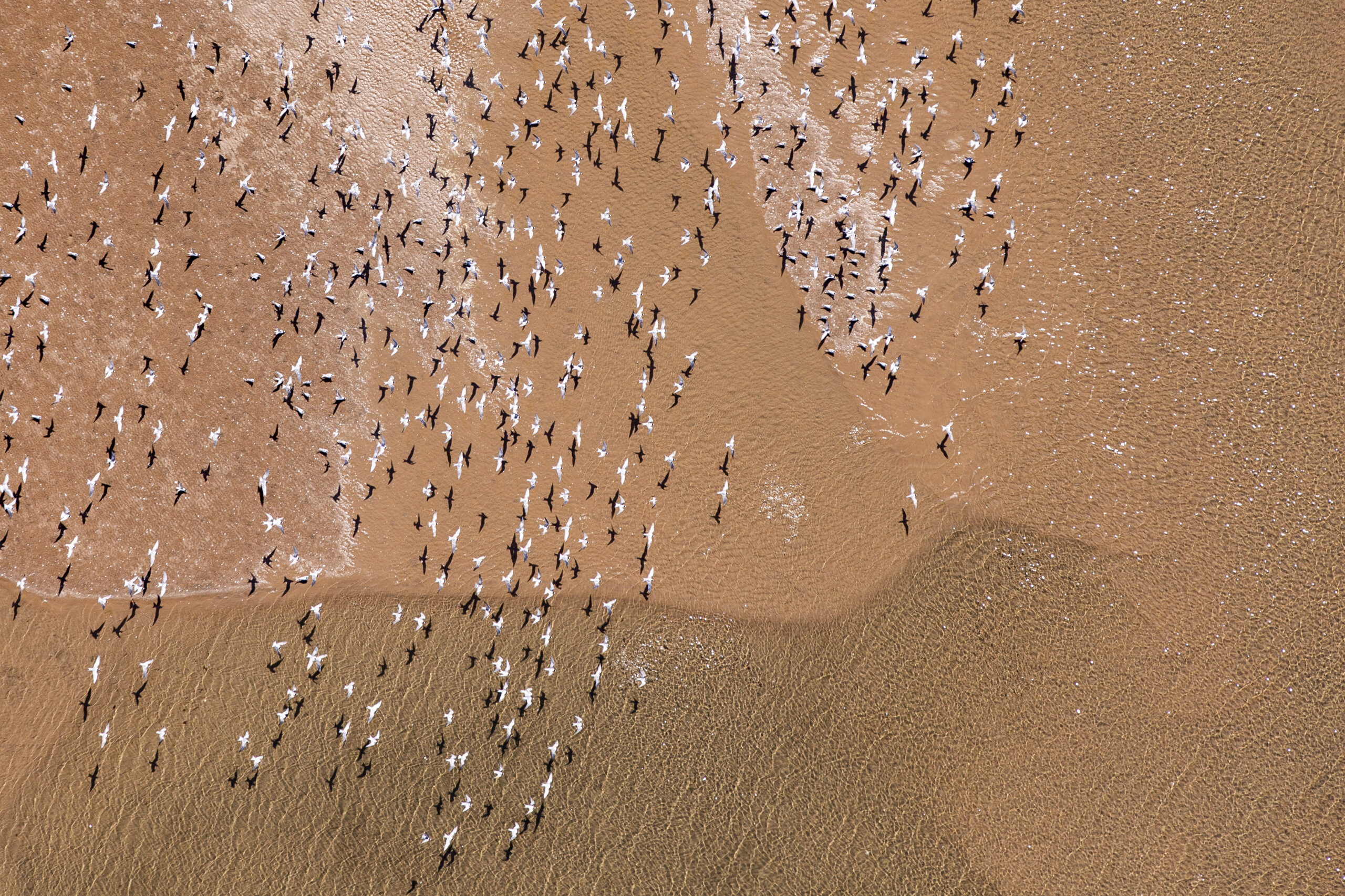
Photo by Kierran Allen
More Information
Contributors
ORI • Nelson Mandela Metropolitan University • University of Cape Town • KZN Sharks Board • Birdlife South Africa • Percy FitzPatrick Institute of African Ornithology
Acknowledgements
Janine Adams • Fiona MacKay • Bruce Mann •Sean Fennessy • Rudy van der Elst • Larry Oellermann • Sheldon Dudley • Ken Findlay • Ross Wanless • Andrea Angel
Research Funders
EDTEA • ORI


